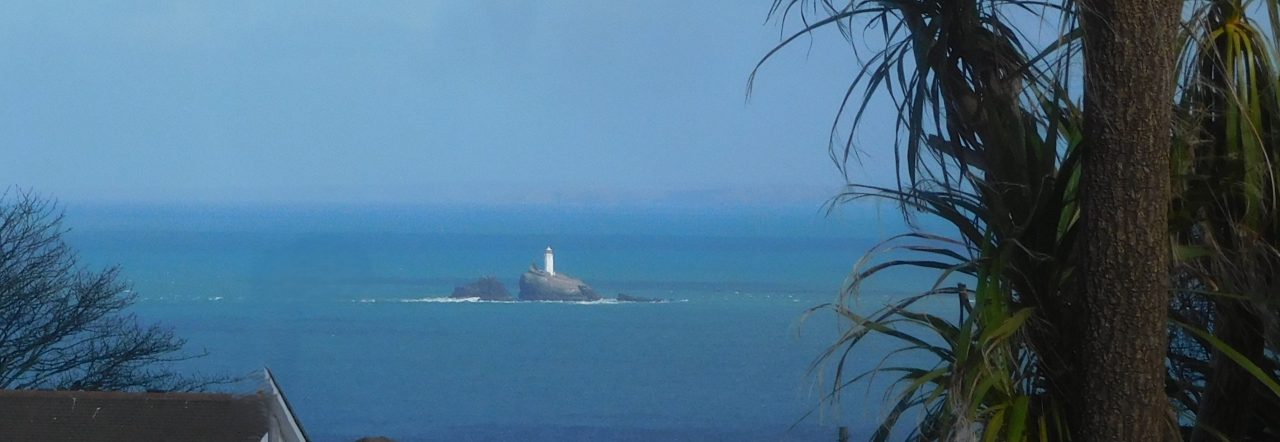
Post 9/2025. Cornwall UK. On Tuesday we walked on the upper footpath above Porth Kidney Sands, the tide out, on the way to Lelant for lunch at the Badger Inn. I found it refreshing, a chance to muse on things other than the disruptions across societies I read about in the news, and in a novel, just finished, set in 1944, 1975 and 2015.
Stark, wild beauty
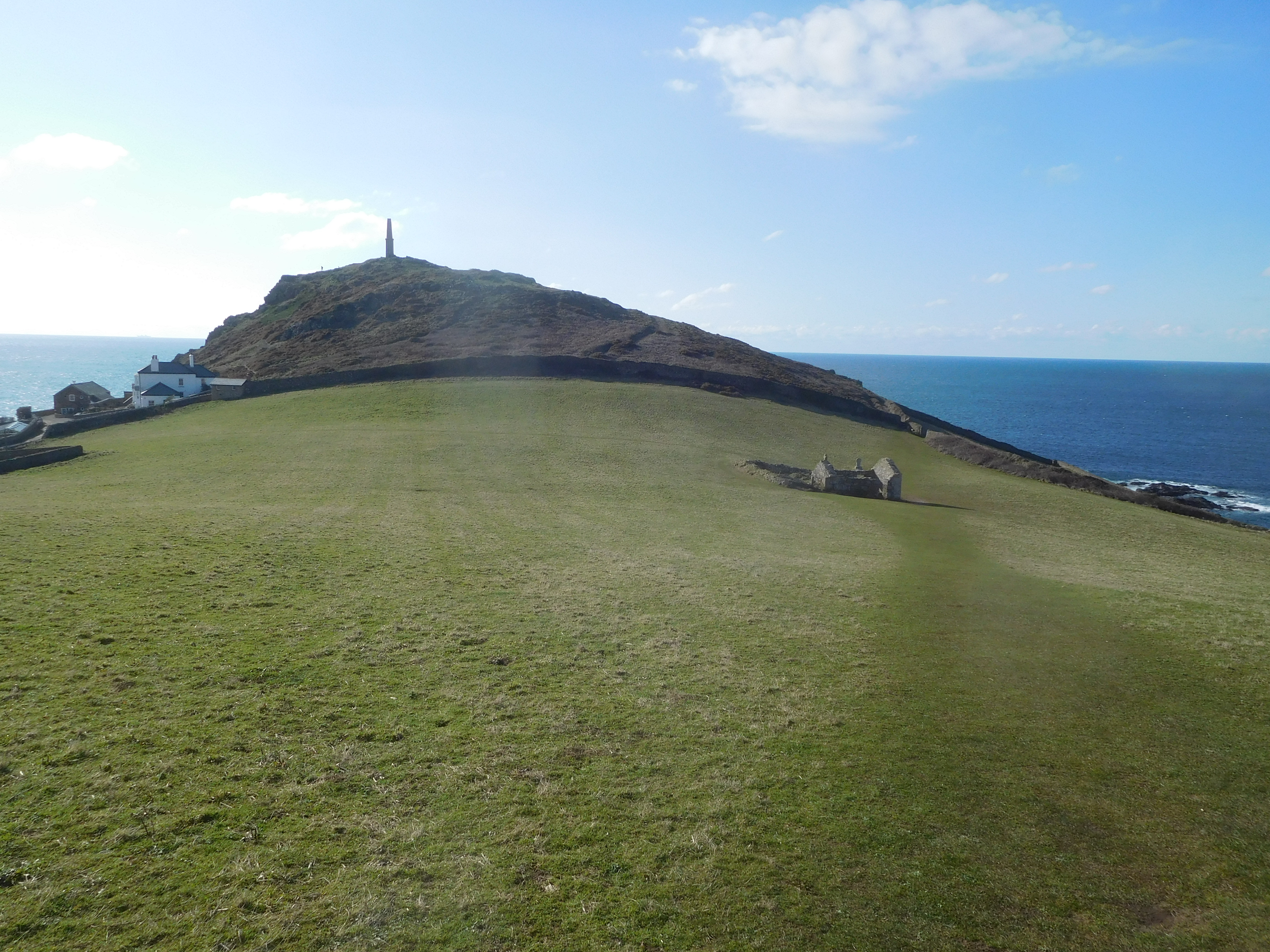
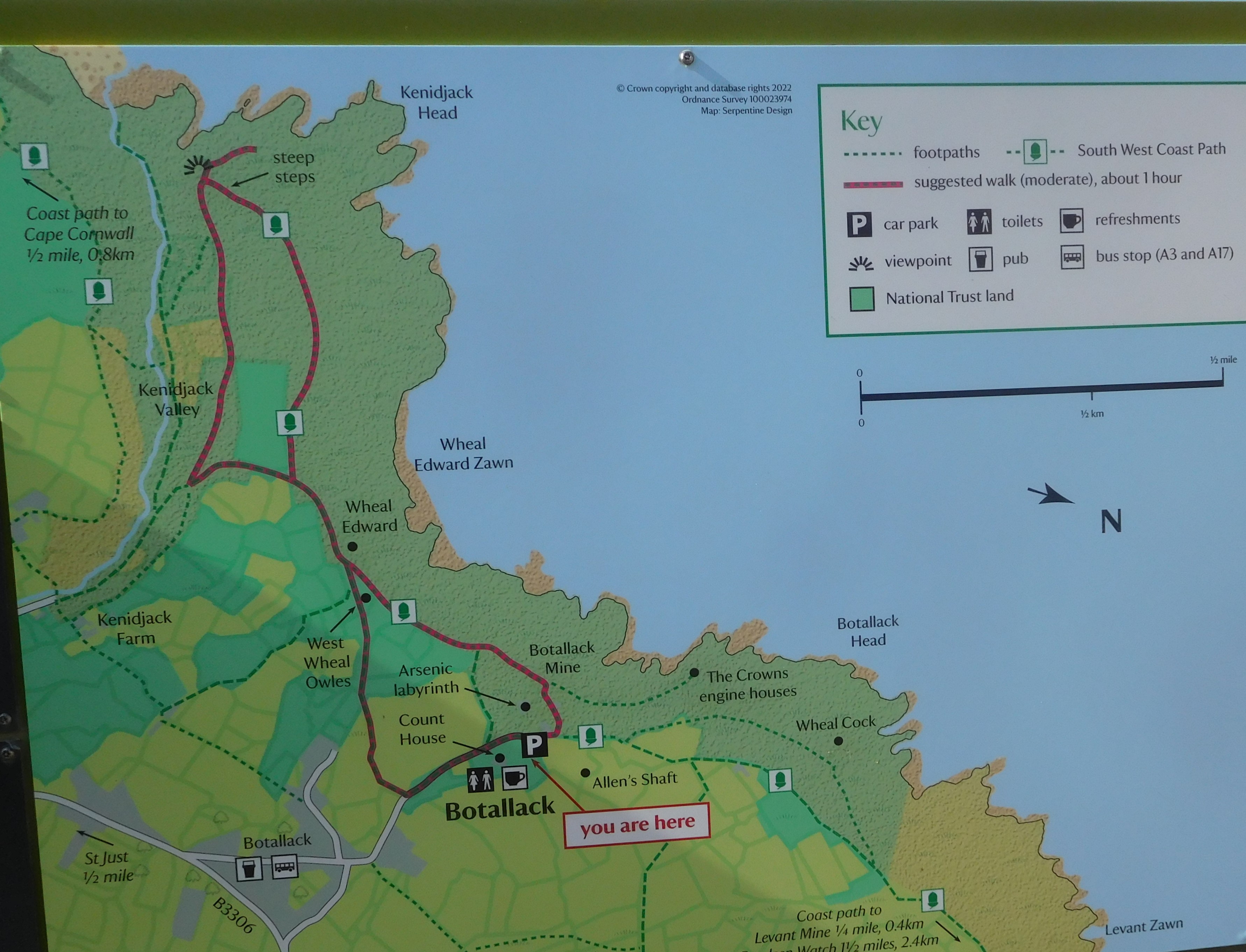
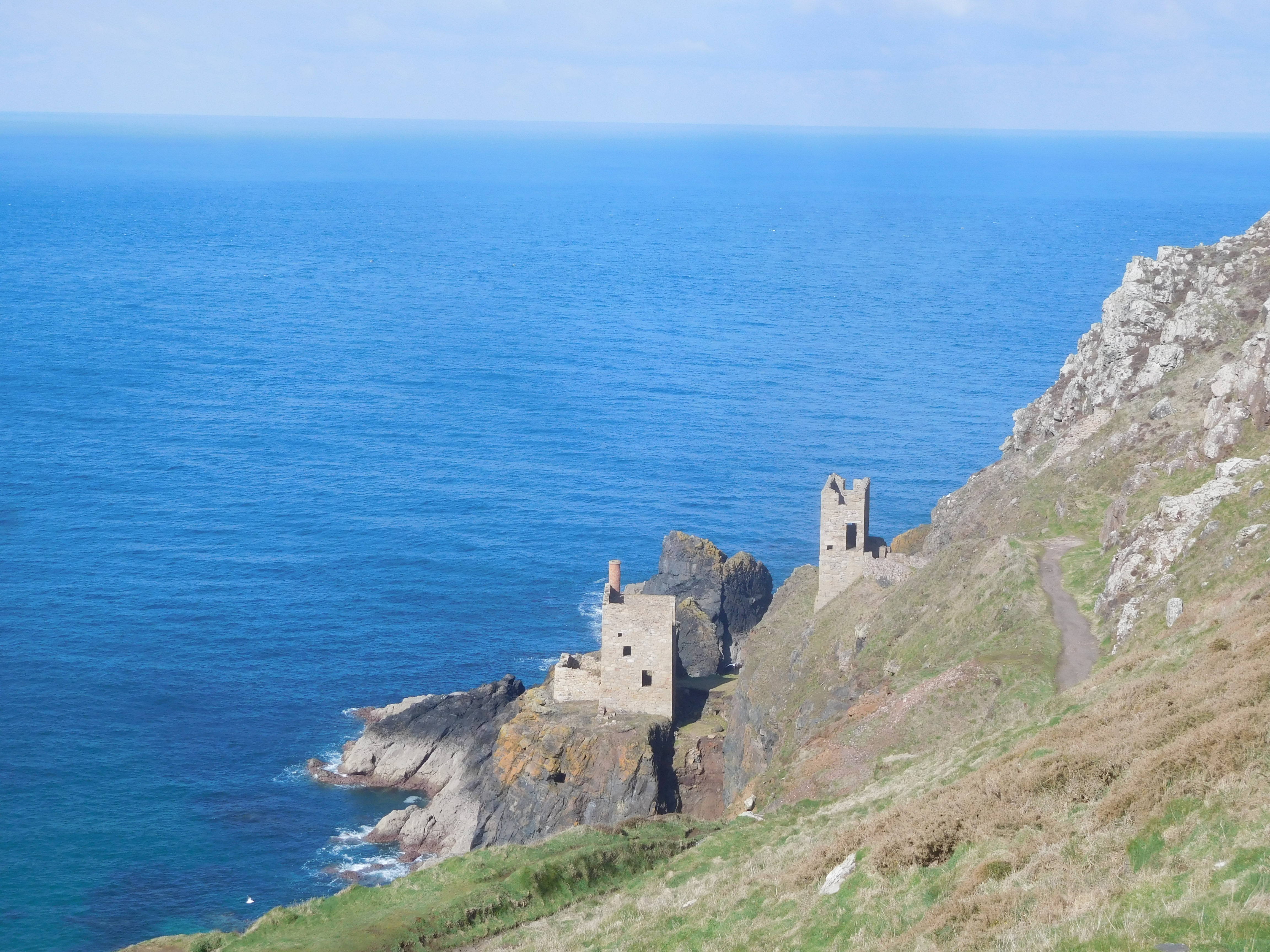
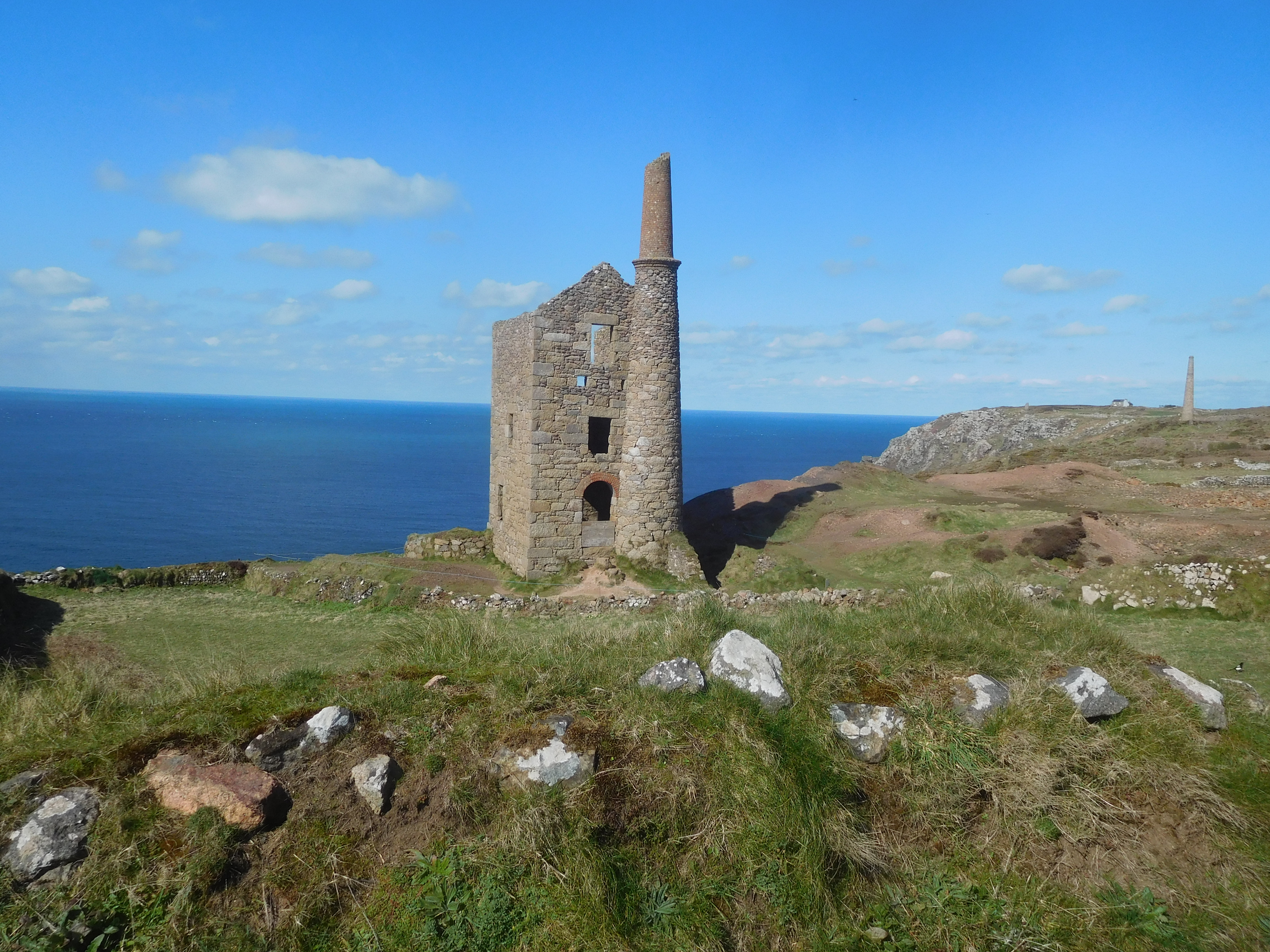
The week’s highlight was a visit to part of Cornwall’s Tin Coast with Steve and Marilyn. (We had last walked through here on the South West Coast Path in 2016.) We had marvelous views, a bracing 4.5-mile walk, ideal weather, tasty lunch at the Queen’s Arms pub in Botallack, and a further stop at Cape Cornwall.
A National Trust booklet notes: “In the far west of Cornwall, men dug deep, not just underground but under the sea. They streamed for tin along valleys, tunnelled for copper on headlands, and at Cape Cornwall, Botallack and Levant they built mine engine houses on the very edge of rugged cliffs. Today this coast is a cultural landscape of World Heritage status, endowed with a stark, wild beauty.”

Returning Tide, a novel
The novel, The Returning Tide, (2017) by Liz Fenwick, deals with two sisters and a betrayal that carries across generations. At 530 pages (large print, 2018) I found myself plodding through it’s early parts, yet its wartime and 1975 settings in Cornwall, and 2015 setting in Massachusetts kept me paging.
As with most books, I first turn to page 69 to see if I want to read further. That page in this book is set in Falmouth Heights, Cape Cod, Massachusetts 15 August 2015. I caught just enough interest in the dialogue: “They expect chefs to be divas.” / “That’s because of reality TV shows which are nothing like the real thing.” ‘She laughed. “The restaurant world is tough and fickle. By the time six months is over all I have achieved will be forgotten and I’ll end up as sous chef to someone less qualified than I am.'”
Seventeen-year-old Lara was recently fired from her job as a chef for speaking back to her boss; she has just lost her grandfather; is in a quandary of what to do. She responds positively to a suggestion from her brother, Leo, as they toast Grandie, “You always wanted to go to England, to trace the family history.”
Ah, the story of love, loyalty, war, scattered family, duty, circumstance, betrayal, loss, consequence, revelation, rebirth, all these course through the book. The first chapter is set at a family home, Windward, Mawnan Smith, Falmouth, Cornwall 12 September 1945.
Opening paragraph: “The marquee housing the wedding part was small, but it was not needed. Under the clear blue sky, the wheat in the next field rippled in the light easterly breeze, but the sea swelled like my sister’s belly. The war was over. She had just married, and not too soon, for she was starting to show. Her groom, handsome in his US Army captain’s uniform, stood awkwardly beside her with his arm resting against her back. He squinted into the distance looking for something, something that had been lost. Innocence, I should imagine. Eventually they would head to America and, if fate were kind, I would never see my sister again.”
I’m glad I stayed the course. The prosecution of WW 2 is long past, but the consequences and reminders live on, whether in fiction or real life. A phoenix can rise from the ashes. May that be true for the current military engagements being fought with people and drones.
Can one recall the past accurately?
I allow myself a few newspaper purchases, such as The Observer newspaper (16/03/25) . Its insert, the new review, purports to publish “The finest writing every Sunday for arts, science, politics and ideas.” Fine by me.
Its cover story features Julian Barnes: Why I’ve Changed My Mind. Barnes is a Booker-prize winning novelist. This is a happy romp through the intertwining of recollection and imagination. “I think more strongly than I used to, that we constantly reinvent our lives, retelling them–usually–to our own advantage. I believe that the operation of memory is closer to an act of the imagination than it is to the clean and reliably detailed recuperation of an event of the past.”
I chuckle at the end of this edited extract from his book, Changing My Mind (Notting Hill Editions, 18 March 2025). Barnes writes, “I think that memory, over time, changes, and, indeed, changes our mind. That’s what I believe at the moment, anyway. Though in a few years, perhaps I will have changed my mind about it all over again.” A fun and informative, if a bit disquieting, perspective.
Voice from the 1960s
Looking back to the 1960s when the relationship between Canada and the US was on par, this quote from John F. Kennedy: “Geography has made us neighbors. History has made us friends. Economics has made us allies. Those whom nature hath so joined together, let no man put asunder.”
Looking ahead

From The Returning Tide.
Spring Tide
“Never give up, for that is just the place and time that the tide will turn.” Harriet Beecher Stowe, Old Town Folks, chapter 39.
Peace
-John


I love seeing the water. I think it would be nice to live near water. And here we have the spring arriving. Snow went fast. Little pockets of it yet in places. Had a muddy walk in the forest yesterday. Today raining a bit.
Kaye
Sent from my iPad
LikeLike
Kaye, had more water in the form of raindrops part of yesterday and today. Okay, we got a walk in both days. Rachel got here without any travel hitches. All good.
LikeLike
Those photos of Poldark territory bring back many memories of watching that enjoyable series. Glad you could visit in person!
LikeLike
Indeed, Marlene. History underfoot and in the air. Almost like a pilgrimage. Best!
LikeLike